
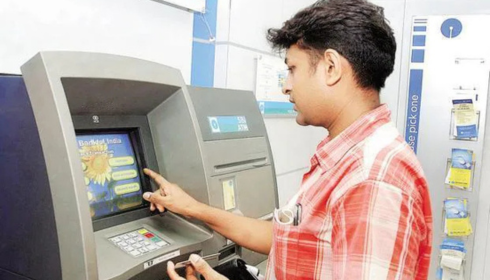
Digital banking and ATM services have made daily transactions quick and convenient. However, problems like cash not being dispensed, money deducted without success, or sending money to the wrong account still happen. These situations can be stressful, especially when the amount involved is significant. If you’re facing an atm transaction failed complaint or a Mistake payment, understanding the correct complaint process can save time, effort, and unnecessary anxiety.
Common Reasons for ATM Transaction Failures
ATM transaction failures can occur due to several reasons. Network connectivity issues between the bank server and the ATM are among the most common. Sometimes the machine runs out of cash, but the system still debits the amount from your account. Power cuts, technical glitches, or card reading errors can also interrupt transactions midway.
In most cases, the money is automatically reversed to your account within a few working days. However, if it doesn’t happen, you must raise a complaint to ensure timely resolution.
What to Do Immediately After a Failed ATM Transaction
The first step is not to panic. Keep the ATM receipt if it was generated, as it contains vital information like transaction ID, date, and ATM location. If no receipt is issued, note down the exact time, ATM number, and amount debited. These details will help the bank trace the transaction faster.
You should also check your bank statement through mobile banking or net banking to confirm whether the amount is actually debited or only temporarily blocked.
How to Register an ATM Transaction Complaint
Most banks allow customers to register ATM complaints through multiple channels:
- Mobile Banking App: Log in and navigate to the help or grievance section.
- Internet Banking: Use the complaint or dispute option.
- Customer Care Helpline: Call your bank’s toll-free number and register the issue.
- Branch Visit: Submit a written complaint at your nearest bank branch.
Banks are generally required to resolve ATM-related complaints within 7 working days. If they fail to do so, you may be entitled to compensation as per RBI guidelines.
Understanding Mistake Payments and How to Handle Them
Mistake payment usually occur during online transfers like UPI, IMPS, or NEFT when money is sent to the wrong account or number. While digital payments are instant, reversing them is not automatic and depends on timely action.
If you realize the error immediately, contact your bank or payment app support without delay. Provide transaction details, recipient information (if available), and a brief explanation of the mistake. Early reporting increases the chances of recovery.
Can You Get a Refund for a Wrong Transfer?
Refunds for mistake payments are possible but not guaranteed. Banks generally try to contact the recipient bank and seek consent from the receiver. If the recipient agrees, the amount is reversed. If not, the bank may guide you on legal options or formal recovery processes.
This is why it’s always advised to double-check account numbers, names, and UPI IDs before confirming any transfer.
RBI Guidelines and Customer Rights
The Reserve Bank of India has laid down clear rules for failed transactions. If a bank does not resolve an ATM complaint within the prescribed time, customers can escalate the issue to the bank’s grievance cell and then to the RBI Banking Ombudsman.
Keeping records, screenshots, and complaint reference numbers strengthens your case during escalation.
Tips to Avoid Future Transaction Issues
- Always wait for the confirmation message before leaving the ATM.
- Avoid making transactions during known server downtime.
- Double-check beneficiary details for online transfers.
- Enable SMS and email alerts for all banking activities.
Final Thoughts
ATM failures and wrong payments are inconvenient but manageable if handled correctly. Acting quickly, maintaining proper records, and following the official complaint channels can help you recover your money with minimal hassle. Staying informed about your rights as a banking customer is the best way to ensure smooth and secure transactions in the digital age.