A solid gravel base doesn’t happen by guesswork—it’s built from accurate measurements, an understanding of soil behavior, and the right material depth. Many people searching for gravel for sale or rock delivery near me want enough product to get the job done, but the amount needed depends heavily on how the gravel will be used. Rock and dirt delivery crews often explain that compaction success is tied to depth, width, soil type, and expected traffic.
The Depth of Gravel Needed for Stable Driveway Bases
Driveway projects rely on depth more than anything else to achieve long-term stability. A typical residential driveway often uses 4 to 6 inches of compacted gravel, but heavier-use areas may require 8 inches or more. The deeper the base, the more strength the driveway has to resist shifting, rutting, and erosion. An important detail is how depth affects ordering volume. Gravel compacts by roughly 20–30%, meaning the loose material delivered will shrink once compacted. Rock and dirt delivery near me services usually recommend ordering extra material to offset this natural compression.
How Width Influences the Total Gravel Order Size
Width calculations can dramatically change how much gravel is needed. Even an extra foot added on each side of a driveway increases the total square footage enough to require another full load of gravel for sale. Wider paths also tend to carry more weight along the edges, so consistent coverage ensures the base doesn’t collapse or spread.
Accurate width measurements help avoid delays. Rocks for sale are often delivered in truckloads measured by cubic yards, and knowing the correct area makes it easier for suppliers to send the right amount. This prevents mid-project shortages that stall construction.
Why Traffic Load Affects Gravel Thickness Requirements
Traffic load determines how thick each gravel layer must be for proper compaction. Light household traffic can work with thinner spreads, while commercial vehicles, trailers, or construction equipment require deeper bases. Weight distribution plays a major role in preventing depressions and uneven settlement.
Layering also matters for heavier loads. Rock delivery near me teams often apply gravel in multiple thin layers rather than one deep lift, as it compacts more uniformly. This layering prevents shifting and creates a stronger final structure capable of supporting long-term use.
Understanding Soil Type to Adjust Gravel Compaction Layers
Soil beneath the gravel influences how much material is required. Clay soils trap moisture and expand, meaning they often need more gravel to stabilize them. Sandy soils drain well but shift more easily, requiring thicker compaction layers for support.
Adjustments based on soil conditions keep the base predictable. Gravel for sale works differently depending on what lies underneath, so the amount delivered may increase to compensate for poor soil. Rock and dirt delivery experts often assess soil type before deciding how thick each layer should be.
The Role of Base Rock Versus Top Gravel in Overall Compaction
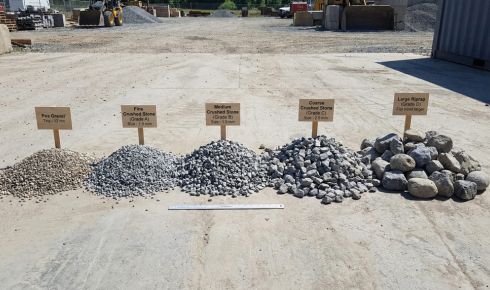
Base rock creates foundational strength, while top gravel forms the smooth, finished layer. Base material is usually larger and angular, helping it lock into place under pressure. Top gravel, being finer, packs tightly and provides a more refined surface. The difference in material type affects how much should be ordered. Rock and dirt delivery near me suppliers typically divide loads between base rock and surface gravel so the project has both strength and appearance. Ordering only top gravel can lead to a weak base that fails prematurely.
How Slope and Drainage Needs Change Gravel Volume Estimates
Driveways and construction pads built on slopes need more material to maintain grade and prevent washout. Additional gravel fills low areas and forms berms or drainage channels where needed. These adjustments increase volume beyond what flat-surface calculations suggest.
Proper drainage protects the compacted layers. Without accounting for slope, gravel may shift downhill or retain water, reducing compaction quality. Rock delivery near me companies often adjust estimates after reviewing the terrain.
Why Equipment Weight Guides How Much Gravel to Order
Heavy equipment compresses gravel more aggressively, requiring thicker layers to maintain stability. Machinery such as skid steers, dump trucks, or forklifts exerts significant ground pressure that can sink into improperly compacted bases. Gravel depth must match the expected load to avoid long-term damage.
This also affects how deliveries are planned. Gravel for sale used under heavy equipment needs both volume and a strong base rock component. Rock and dirt delivery specialists may recommend deeper lifts or multiple compacted layers to match the equipment’s weight.
Standard Compaction Targets for Construction Pads
Construction pads require precise compaction targets to meet structural standards. Many pads aim for 95% compaction or higher, which changes how much gravel for sale is required. Achieving this density often requires more material than simple residential projects. Compaction equipment, moisture levels, and layering techniques all influence gravel volume. Rocks for sale must be ordered with the understanding that achieving a specific compaction rating consumes more material than loose filling alone. Suppliers familiar with construction work help calculate these needs accurately.
Accurate gravel estimates lead to stronger foundations, fewer repairs, and smoother project timelines. North Alabama Rock & Dirt can help by supplying the right gravel materials and reliable delivery services to ensure every project achieves proper compaction and long-lasting stability.